
Hardscape Construction in Contra Costa County.
Built to look clean, drain properly, and last.
Family-owned since 1985, Pacheco Landscape & Pool Construction builds patios, pool decks, walkways, retaining walls, steps, concrete, grading, drainage, and complete backyard hardscape projects throughout Contra Costa County and selected East Bay communities.
We begin with a brief phone conversation to understand the property, project scope, drainage concerns, intended use, plans, access, timing, and overall fit before scheduling an on-site consultation.
Hardscape is the foundation of a backyard that works.
Patios, pool decks, walkways, retaining walls, steps, concrete, grading, and drainage affect how a property looks, feels, drains, and performs. The finished material matters, but so do the elevations, preparation, water movement, transitions, and construction beneath it.
Built With the Whole Property in Mind
Good hardscape is not simply a matter of choosing a finish and installing it. The layout must connect correctly to the home, pool, side yards, gates, planting areas, steps, walls, drainage systems, utilities, and surrounding elevations.
We approach hardscape as part of the complete outdoor construction system, especially when it connects with a new pool, pool remodel, outdoor kitchen, retaining wall, drainage improvement, or larger backyard project.
We Don’t Compete on Lowest Price.
Hardscape can fail when the preparation is rushed, drainage is ignored, reinforcement is reduced, elevations are poorly planned, or the project is treated as surface decoration.
Our focus is proper preparation, clean layout, quality materials, drainage, durability, careful coordination, and construction we are proud to put the Pacheco name on.
If you value long-term performance and accountability over shortcuts, we would appreciate the opportunity to earn your trust.
Real patios, pool decks, masonry, concrete, and outdoor environments.
Explore completed projects showing hardscape connected to pools, spas, walls, outdoor kitchens, landscaping, water features, and complete backyard construction.
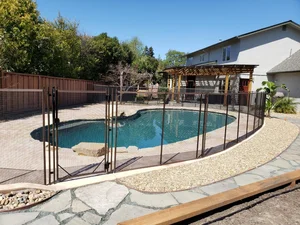
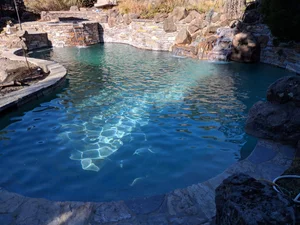
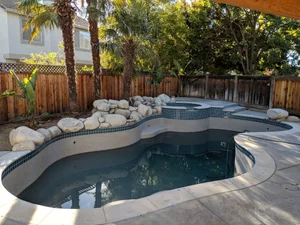
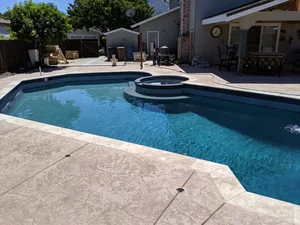
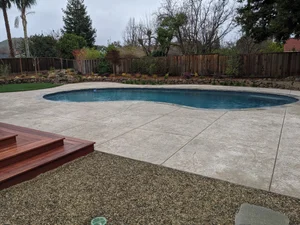
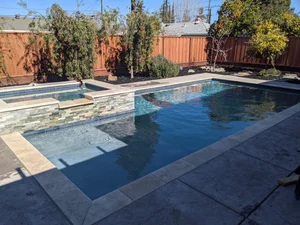
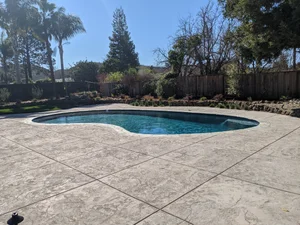
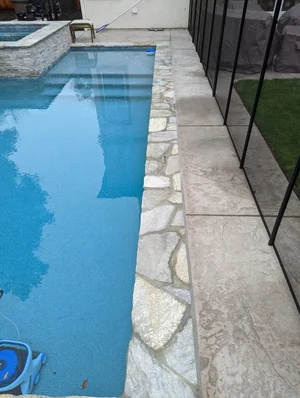
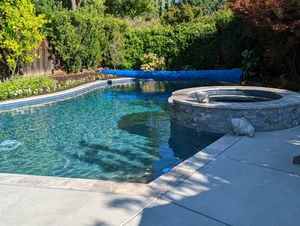
Patios, pool decks, walkways, walls, concrete, steps, and site work.
Whether the hardscape is part of a new pool, remodel, outdoor living project, or stand-alone property improvement, it should be built correctly from the ground up.
Patios & Pool Decks
Outdoor surfaces built around furniture, circulation, drainage, pool edges, expansion joints, doors, steps, landscaping, and daily use. Pool-adjacent work also requires coordination of coping, mastic joints, drainage, reinforcement, and the required equipotential bonding system.
Walkways & Steps
Walkways, side-yard paths, steps, landings, garden access, and transitions connecting the home, pool, yard, and outdoor rooms.
Concrete & Decorative Concrete
Concrete patios, pool decks, equipment pads, structural outdoor surfaces, broom finishes, and decorative concrete finishes.
Retaining & Seat Walls
Wall systems that manage grades, support usable areas, frame patios, create seating, or connect sloped sections of the property.
Grading & Drainage
Grading, slope, drains, water routing, base preparation, retaining drainage, and site work supporting the finished hardscape.
Complete Backyard Construction
Hardscape coordinated with pools, spas, outdoor kitchens, fire features, drainage, landscaping, pool houses, and other structures.
The parts you do not see are what make hardscape last.
Once construction is complete, homeowners see the final color, texture, edges, joints, walls, and finished elevations. They do not see most of the excavation, base material, compaction, reinforcement, drainage, utility sleeves, forms, footings, or preparation.
Those hidden details affect cracking, movement, settling, drainage, wall performance, trip hazards, and the long-term usefulness of the finished space.
Our reputation is built one backyard at a time, and that means we take the preparation seriously.
Excavation & Removal
Existing concrete, soil, roots, failed base, unsuitable material, and demolition conditions should be addressed before rebuilding.
Base Preparation
Aggregate base, moisture conditioning, compaction, depth, soil conditions, edge support, and preparation beneath the surface matter.
Reinforcement & Pool Bonding
Reinforcing steel, thickness, footings, dowels, connections, approved details, and intended use affect construction requirements. Around a pool, the required perimeter equipotential bonding must also be coordinated before concrete or pavers conceal the work.
Drainage & Slope
Finished surfaces must coordinate with doors, pools, walls, drains, landscaping, property lines, roof water, and surrounding grades.
Control & Expansion Joints
Joint layout should account for slab geometry, structures, pool shells, walls, columns, existing concrete, and anticipated movement.
Utility Coordination
Gas, electrical, plumbing, drainage, irrigation, lighting, sleeves, equipment, and future access should be considered before surfaces close.
Pool & Structure Transitions
Coping, decks, mastic joints, foundations, walls, posts, steps, doors, and structures must meet the hardscape cleanly.
Construction Sequencing
Pools, walls, drainage, structures, utilities, kitchens, lighting, landscaping, and hardscape must be installed in the proper order.
Outdoor surfaces built for daily use, water, weather, and movement.
Patios and pool decks should be comfortable, durable, properly sloped, and connected cleanly to the home, pool, side yards, steps, landscaping, and outdoor living areas.
Hardscape Surface Applications
- Concrete patios and gathering areas
- Pool decks and poolside lounging areas
- Decorative concrete finishes
- Walkways and side-yard access paths
- Steps, landings, ramps, and transitions
- Outdoor kitchen and BBQ-island pads
- Fire-pit and seating areas
- Equipment pads and utility areas
- Pool coping and deck coordination
- Drainage-aware layouts and elevations
Built for the Way Water Moves
Hardscape around pools and homes must be planned with water movement in mind. Finished slope, area drains, channel drains, roof water, landscape drainage, soil conditions, doors, walls, and elevations all affect performance.
A beautiful patio that drains poorly can create standing water, staining, saturated soil, slippery conditions, erosion, or water moving toward structures.
The finished surface should look clean, but it also needs to move water in the correct direction.
The bonding system beneath a pool deck matters as much as the surface above it.
Concrete and pavers surrounding a swimming pool are not only part of the finished backyard. The required perimeter equipotential bonding system beneath or within that hardscape is an important part of the pool’s electrical safety system.
What Equipotential Bonding Does
Equipotential bonding interconnects the conductive pool shell, required perimeter surfaces, and other applicable metal components so they remain at substantially the same electrical potential. Its purpose is to reduce potentially dangerous voltage differences in the area where swimmers enter, exit, and stand around the pool.
Bonding is separate from grounding and GFCI protection. Each system serves a different safety function, and one does not replace the others.
- For a typical conductive concrete pool, the perimeter bonding system connects to the pool-shell reinforcing steel at a minimum of four uniformly spaced points.
- Bonding conductors used for this purpose are generally minimum No. 8 AWG solid copper, subject to the approved plans and applicable electrical requirements.
- The bonded perimeter area generally extends approximately 3 feet horizontally beyond the inside wall of the pool.
- Removing an existing pool deck can cut, damage, or completely remove the bonding system that was incorporated into the original hardscape.
Typical Four-Point Connection
This simplified diagram illustrates the relationship between a conductive pool shell and the surrounding bonded perimeter. Actual construction must follow the approved plans, applicable code, listed components, and local inspection requirements.
When the New Deck Is Concrete
The reinforcing steel or approved welded-wire reinforcement in the surrounding concrete is incorporated into the required bonding system and interconnected with the pool shell. The bonding work must be in place before the new concrete conceals it.
When the New Surface Is Pavers
Where suitable reinforcing steel is not available, an approved copper grid, listed welded-wire system, or other code-compliant perimeter-bonding method is installed beneath the paving and connected to the pool shell as required.
Walls should be built for more than appearance.
Retaining walls, seat walls, garden walls, and grade transitions can make a yard more usable, but they must account for drainage, soil pressure, surcharge, foundations, wall height, nearby structures, and long-term performance.
Retaining Walls
Walls that manage slopes and grade changes while supporting patios, pool areas, structures, planting areas, access, or usable yard elevations.
Seat & Garden Walls
Lower walls that define outdoor rooms, create seating, frame patios, support landscaping, or improve transitions throughout the yard.
Wall Drainage
Drain rock, filter fabric, drainage pipe, outlets, waterproofing where applicable, and surface-water control help manage pressure behind walls.
Hardscape projects need real site planning.
A clean finished project starts with understanding the property. Access, soil, water, slope, utilities, existing concrete, retaining conditions, pool elevations, structures, and local requirements can all affect the final scope.
Important Hardscape Considerations
- Drainage and slope away from structures
- Base preparation and compaction
- Concrete thickness and reinforcement
- Control-joint and expansion-joint planning
- Expansive clay soils and existing fill conditions
- Tree roots and established landscaping
- Retaining walls and grade changes
- Pool-shell, coping, and deck transitions
- Required equipotential bonding around pool-adjacent hardscape
- Construction access for equipment and materials
- Existing gas, electrical, plumbing, and irrigation
- Outdoor kitchens, fire features, and structures
- Permits or approved plans when required
One Contractor. One Team. One Standard.
Hardscape often touches nearly every part of the backyard: the pool, patio, drainage, walls, steps, outdoor kitchen, fire feature, lighting, planting areas, structures, and access paths.
When those elements are handled separately without overall coordination, elevations, drainage, utilities, finish transitions, and construction sequencing can conflict.
Coordinating the major outdoor construction elements through one experienced contractor can create a cleaner process and a better finished result.
Clear planning, proper preparation, and clean execution.
Every property is different, but most hardscape projects move through these major evaluation, preparation, construction, and finish stages.
Initial Conversation
We discuss the project type, intended use, drainage concerns, approximate investment, timing, access, plans, and overall goals.
Site Review
We review access, elevations, existing concrete, walls, soil, drainage, utilities, pool conditions, structures, and surrounding improvements.
Scope & Proposal
We prepare a clear, itemized proposal defining the work, major materials, preparation, drainage, allowances, options, and known responsibilities.
Plans & Preconstruction
Approved plans, engineering, permits, selections, access, utilities, drainage, layout, and construction details are coordinated when required.
Demolition & Excavation
Existing materials are removed, unsuitable conditions are addressed, grades are established, and the site is prepared for reconstruction.
Base, Drainage, Bonding & Forms
Base preparation, compaction, drainage, utilities, forms, reinforcement, required pool bonding, footings, sleeves, and applicable inspections proceed before finished surfaces are placed.
Hardscape Construction
Concrete, patios, walkways, walls, steps, drains, grading, masonry, and connected hardscape elements are constructed.
Final Details & Walkthrough
Finish work, joints, cleanup, drainage review, transitions, corrections, and the final walkthrough complete the project.
Hardscape construction throughout Contra Costa County.
Local properties can involve expansive clay soils, hillside lots, tight access, grade changes, retaining walls, older hardscape, drainage issues, mature landscaping, pool-remodel tie-ins, and jurisdiction-specific requirements.
Built for Local Conditions
Soil movement, drainage, roof water, existing fill, tree roots, slopes, neighboring properties, access, older concrete, and established improvements can all affect the correct construction approach.
Local experience helps us evaluate the property more realistically and coordinate hardscape with the conditions that can affect long-term performance.
Learn more about our Contra Costa County construction experience .
Construction From Approved Plans
PLAPCO is the construction contractor. We build from approved plans and coordinate construction details with the homeowner’s selected landscape designer, architect, structural engineer, civil engineer, geotechnical engineer, surveyor, or other licensed professionals when their services are required.
Our focus is turning the approved project into a carefully coordinated, properly constructed finished backyard.
Quality over volume. Reputation over shortcuts.
Homeowners choose Pacheco Landscape & Pool Construction because they want clear communication, detailed proposals, experienced oversight, proper preparation, and a contractor who takes personal pride in the finished work.
Family-Owned Since 1985
Our company has been built through reputation, referrals, repeat clients, and the pride that comes from putting the Pacheco name on every project.
Owner-Operated
We are intentionally structured to remain personally involved, focused on quality, and accountable to the homeowners who trust us.
Detailed Proposals
Our line-by-line proposals help homeowners understand the scope, preparation, materials, drainage, allowances, options, and major costs.
Complete Outdoor Construction
Hardscape, pools, drainage, outdoor kitchens, fire features, retaining walls, structures, and landscaping can be coordinated.
Properly Licensed
California Contractor License #987689 with B General Building, C-53 Swimming Pool, and C-27 Landscaping classifications.
Built for Long-Term Use
We focus on preparation, drainage, reinforcement, transitions, quality materials, serviceability, and proven construction practices.
Common questions about hardscape construction.
These are some of the questions homeowners commonly ask before beginning a patio, pool deck, retaining wall, concrete, drainage, or complete backyard hardscape project.
Do you build patios, pool decks, and walkways?
Yes. We build patios, pool decks, walkways, concrete areas, steps, landings, seating areas, outdoor-kitchen pads, fire-feature areas, equipment pads, and connected backyard hardscape.
Do you build retaining walls?
Yes. We build retaining walls, seat walls, garden walls, and grade transitions. Depending on the height, slope, location, surcharge, nearby structures, and site conditions, plans, engineering, permits, or inspections may be required.
Why is drainage so important for hardscape?
Poor drainage can contribute to standing water, staining, saturated soil, erosion, settling, movement, wall pressure, slippery conditions, and water flowing toward structures or neighboring properties.
Finished slopes, drains, roof water, landscape drainage, walls, pools, doors, and surrounding elevations should be considered together.
Can you prevent concrete from ever cracking?
No contractor can honestly guarantee that exterior concrete will never crack. Concrete is affected by shrinkage, soil movement, temperature, moisture, slab geometry, loading, roots, existing conditions, and other factors.
Proper preparation, reinforcement, thickness, drainage, control joints, expansion planning, and construction practices help manage the risk and influence how the finished work performs.
Can you replace hardscape around an existing pool?
Yes, but pool-deck demolition is rarely isolated surface work. It can affect coping, tile, the pool finish, skimmers, nearby plumbing, mastic joints, drainage, and the perimeter equipotential bonding system. Those conditions must be evaluated before the scope is finalized, and removing the deck can expand the work into a full-scale pool remodel.
Do you restore equipotential bonding when replacing a pool deck?
Yes. When required by the project scope, approved plans, and local inspection requirements, PLAPCO includes and coordinates restoration of the perimeter equipotential bonding system before the new surface is installed. Concrete decks commonly incorporate bonded reinforcing steel or welded-wire reinforcement. Paver installations may require an approved copper grid, listed welded-wire system, or another accepted bonding method beneath the paving.
Bonding is separate from grounding and GFCI protection. It helps reduce voltage differences between the conductive pool shell, surrounding perimeter surfaces, and other applicable metal components.
Can hardscape be included with a new pool or pool remodel?
Yes. Hardscape often works best when it is coordinated with pool construction, pool remodeling, coping, outdoor kitchens, drainage, retaining walls, lighting, structures, landscaping, and the overall backyard layout.
Does PLAPCO provide landscape design or engineering?
PLAPCO is the construction contractor. We build from approved plans and coordinate construction details with the homeowner’s selected designer, architect, structural engineer, civil engineer, geotechnical engineer, surveyor, or other licensed professionals when their services are required.
Do I need completed plans before contacting you?
Not always. We can begin with a phone conversation and discuss what you are considering. Detailed construction pricing may require completed plans when the project involves retaining walls, major grading, structures, engineering, drainage design, or other technical work.
Are you the cheapest hardscape contractor?
No. We do not try to compete on the lowest bid. We focus on proper preparation, drainage, quality construction, clear communication, detailed proposals, and hardscape built correctly from start to finish.
What areas do you serve?
We serve Walnut Creek, Pleasant Hill, Danville, Lafayette, Orinda, Moraga, Blackhawk, Concord, Clayton, Alamo, Martinez, and selected communities throughout Contra Costa County and the East Bay.
Planning a patio, pool deck, wall, or complete hardscape project?
Start with a brief phone conversation about the property, intended use, existing conditions, drainage, access, timing, plans, and what you are considering. From there, we can determine whether the next step should be an on-site consultation.
Family-owned since 1985 • Owner-operated • License #987689
Serving Contra Costa County and selected East Bay communities.